Seamless ecosystem integrations for eCommerce

Connect payments, logistics, and platforms into one unified experience.
Share Your Concept
  • 80+
    In-house
    Experts
  • 5+
    Team’s Average
    Years of Experience
  • 93%
    Employee
    Retention Rate
  • 100%
    Project Completion
    Ratio
Plug, Play, Perform

Integrations that enhance, not disrupt

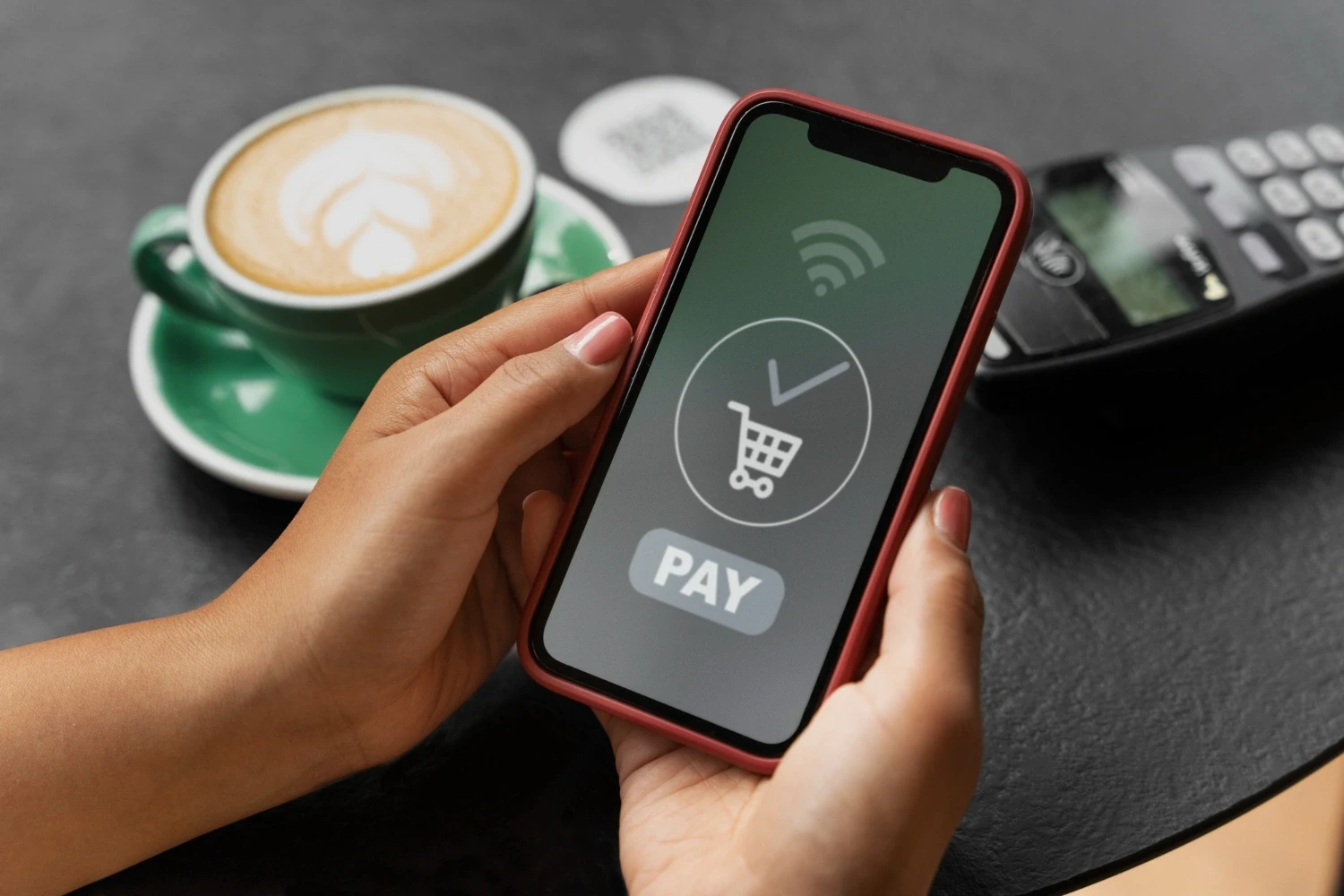
Payment integration

Multiple gateways with support for global and local options.

Logistics & fulfillment

Real-time shipment tracking, returns, and last-mile delivery updates.

Marketplace syncing

Sync catalogs, inventory, and pricing with Amazon, Flipkart, or eBay.

Back-office integration

ERPs, CRMs, and tax systems connected for smooth operations.

Ecosystems made easy

APIs, platforms, and gateways that fit seamlessly

  • Payment Integrations

    Seamless payments, global reach.

    stripe-ar21

    Stripe

    razorpay-icon

    Razorpay

    paypal-svgrepo-com

    PayPal

    payment-square-svgrepo-com

    Square

  • Logistics

    Tech that drives smarter logistics.

    -zglmxd-shiprocket

    Shiprocket

    fedex-svgrepo-com

    FedEx APIs

    DELHIVERY

    Delhivery

    Easypost_id21vWBrPK_1

    EasyPost

  • Back Office

    Smart Business Management Tools.

    sap-3

    SAP

    zoho-1

    Zoho

    quickbooks-1

    QuickBooks

    netsuite

    NetSuite

Tech talk

Developer tips & insights

Integration, simplified

Straight talk on systems and syncs

We integrate your store with the systems that matter payments, logistics, ERPs, CRMs, and marketplaces, so your operations run like clockwork and your customers enjoy frictionless shopping.

Use a single payments abstraction layer in your backend (or a library like Stripe Connect / Spreedly) that normalizes methods, errors, and webhooks from all gateways into one “PaymentIntent” model. The frontend shows one unified wallet/card UI, while routing logic, fallback, and reconciliation (fees, settlements) happen centrally based on gateway metadata.
Connect to ERP/accounting via order and payment webhooks flowing into an integration service that maps them to invoices, ledgers, and tax lines, then posts through ERP APIs (SalesOrder, Invoice, Payment, CreditNote). Use polling or webhooks from ERP for payment status and payouts so finance dashboards reflect real‑time cash and AR.
Key flows: rate‑shopping (address + weight → carrier rates API), shipment creation (label and tracking ID), status webhooks (in‑transit, delivered, exception), and return initiation (RMA, pickup, refund). Wrap each carrier’s API behind a logistics service so your app always talks to one unified “Shipping” interface regardless of provider.
Maintain a single source of truth for products and inventory (PIM/OMS) and push changes out to channels via marketplace APIs or a multichannel tool, listening to order webhooks to decrement stock centrally. Use SKU/ID mapping tables, periodic full syncs plus real‑time deltas, and strict rules about which system owns price and availability.
Pitfalls: tightly coupling directly to legacy ERP/CRM schemas, relying on batch file drops, and no error observability. Middleware/iPaaS (MuleSoft, Boomi, Make, custom Kafka layer) helps by offering canonical data models, retryable workflows, monitoring, and prebuilt connectors, so your store only integrates once with the hub.
Avoid point‑to‑point spaghetti by adopting an API‑first, event‑driven architecture: your store emits standard events (OrderCreated, PaymentCaptured, ItemReturned) onto a bus and downstream systems subscribe. As you add tools, plug them into the bus or a central iPaaS, enforce naming/versioning standards, and document ownership so each domain has one authoritative system.

No more disconnected silos, just smooth transactions

Link payment gateways, finance, and ERP for instant reconciliation and cash flow visibility; automate everything from invoices to analytics, minimizing manual touchpoints.