Connecting the dots where your stack falls short

We help you plug OutSystems into your existing tech ecosystem seamlessly, securely, and without reinventing what already works.
Share Your Concept
  • 80+
    In-house
    Experts
  • 5+
    Team’s Average
    Years of Experience
  • 93%
    Employee
    Retention Rate
  • 100%
    Project Completion
    Ratio

Our integration process (Clear & controlled)

System discovery

We audit your existing systems, data sources, and workflows. What speaks REST? What’s SOAP-only? Where are the bottlenecks?

Integration planning

We map out what needs to connect, why, and how. We define the data formats, sync frequencies, and conflict resolution logic.

Secure connector development

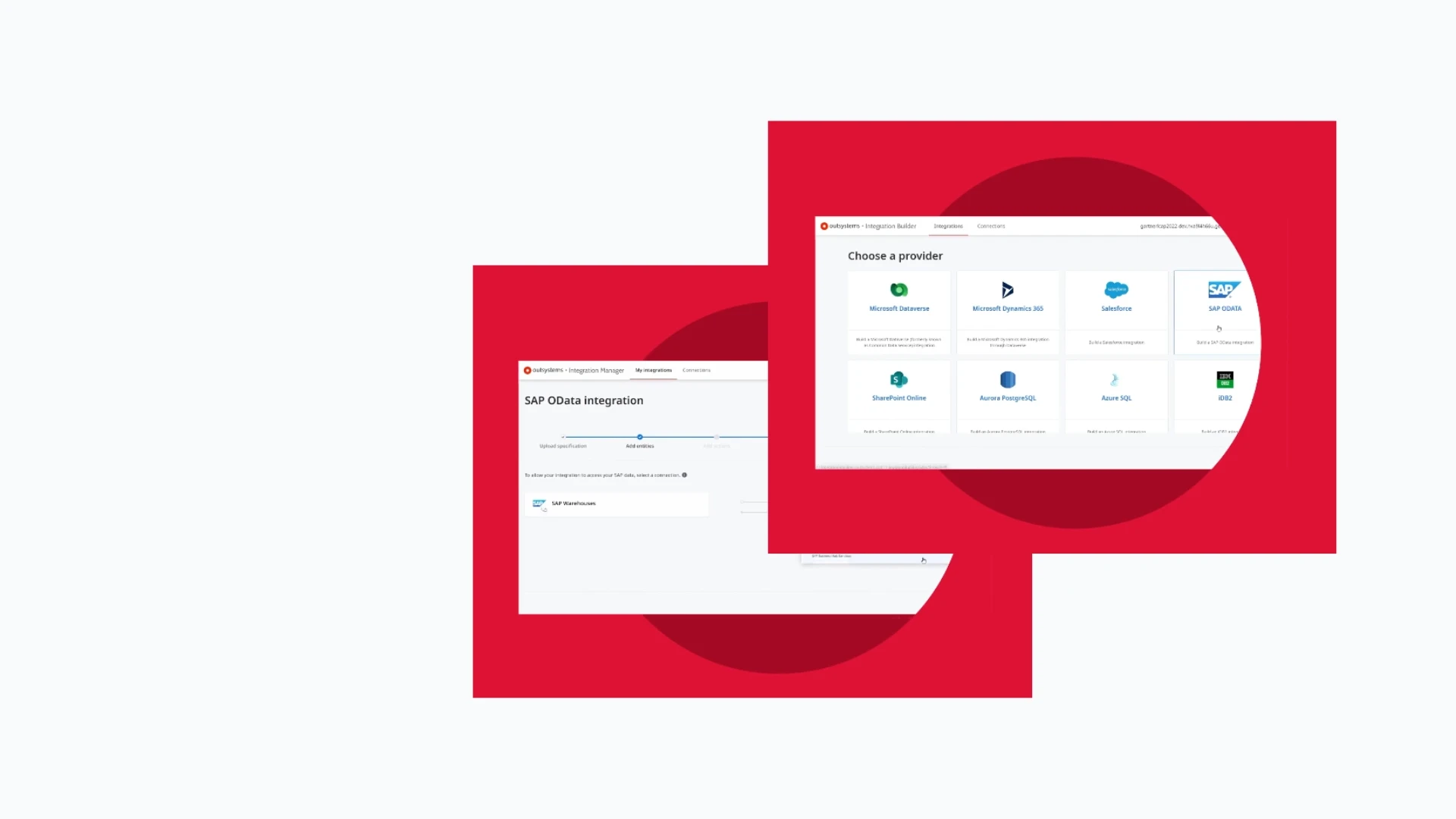
Using OutSystems Integration Builder, Forge components, or custom APIs, we create clean, maintainable connectors with security protocols in place.

Smart error handling & logging

No silent failures here. We add retry logic, alerting, and rollback mechanisms to handle real-world issues like outages or invalid data.

Performance monitoring & tuning

We track response times, data volume spikes, and API load behavior, fine-tuning where needed to prevent lags or timeouts.


Tech talk

Developer tips & insights

OutSystems integration services

Seamless connectivity across systems and platforms

Our OutSystems Integration Services help businesses connect their applications with internal and external systems for smooth data flow, automation, and enhanced functionality. Leveraging APIs, web services, and third-party integrations, we ensure your OutSystems applications work seamlessly with CRMs, ERPs, databases, and cloud services. This approach streamlines operations, reduces manual effort, and maximizes ROI from your applications.

Use Service Studio's Logic tab to right-click REST > Consume REST API, pasting the API URL or OpenAPI spec for auto-generation of methods and structures. Publish a wrapper module exposing public server actions that call these methods, making them reusable across apps. This low-code approach generates consumable endpoints in minutes, handles serialization automatically, and scales to complex payloads, perfect for rapid prototyping without manual coding.
Configure Basic, API Key, or OAuth directly in the Consume REST dialog, with client actions testing credentials pre-publish. For errors, wrap API calls in exception handlers using OnAfterResponse or Try-Catch, mapping HTTP codes (401/403/500) to custom messages via JSON Serialize for structured responses. This ensures graceful failures, detailed logging via Service Center, and user-friendly alerts, preventing app crashes while aiding debugging.
Avoid heavy joins between external entities and local data, as they spike query times and hurt performance, import key data via timers instead. Watch for schema changes requiring Extension rebuilds, mismatched data types causing silent errors, and high-volume syncs overwhelming connections. Opt for read-only views or replication for stability, always test latencies in staging to prevent production surprises and ensure single-source-of-truth governance.
In Logic > Integrations > REST, create Expose REST API, add methods (GET/POST/PUT/DELETE) linked to server actions querying entities. Define resources with input/output structures, set versioning in the name (e.g., v1), and consume via generated URLs. This publishes secure, documented endpoints instantly, supporting Swagger for clients and enabling real-time data sharing without custom servers.
Choose Forge connectors (e.g., Stripe, Salesforce) for pre-built, tested integrations with auth and pagination handled, ideal for standard services to launch fast. Go custom REST when APIs lack connectors, need unique payloads, or require heavy logic like aggregation. Connectors save 80% time on common cases but limit flexibility; custom shines for bespoke needs while reusing platform tools for scalability.
Implement Basic or API Key first via exposed REST method properties, then layer OAuth using Two-Way SSL or Basic Auth on your Logic with external IdP like Auth0. Add roles/users validation in actions, return 401/403 with Accept exceptions for unauthorized calls. This enforces token-based access, scopes, and refresh flows natively, meeting enterprise security without code, monitor via LifeTime for compliance.

Seamless OutSystems integration. Zero bottlenecks.

Automate data flow, optimize security, and tune APIs across platforms, engineering connections that maximize ROI, not manual work.