Your patients’ health in real-time, without the hospital walls

Detect risks early, act faster, and deliver proactive care from anywhere
Share Your Concept
  • 80+
    In-house
    Experts
  • 5+
    Team’s Average
    Years of Experience
  • 93%
    Employee
    Retention Rate
  • 100%
    Project Completion
    Ratio
Our services

What we engineer for you

Smart vital sign monitoring systems

We create sensor-integrated apps that track vital signs like heart rate, blood pressure, oxygen levels, and temperature in real-time—sending alerts when readings cross critical thresholds.

AI-driven risk detection Algorithms

Our AI models detect abnormal patterns and potential health risks (like arrhythmias or glucose spikes) before they become emergencies—giving your team time to intervene.

Patient dashboards & provider portals

We develop user-friendly dashboards for patients to track progress and for care teams to monitor trends, analyze insights, and manage alerts from a single interface.

Real-time notifications & emergency protocols

The system instantly notifies both patients and providers about critical events and can even trigger predefined escalation workflows—such as contacting emergency services or alerting caregivers.

AI-powered remote health monitoring

Real-time patient insights powered by AI for proactive and personalized healthcare.

  • Tech Stack Language

    Powerful coding foundations that drive scalable solutions.

    javascript-logo-svgrepo-com

    JavaScript

    Python

    Python

    Java

    JAVA

  • Framework Extensions

    Enhanced tools and add-ons to accelerate development.

    TensorFlow

    TensorFlow

  • Cloud Services

    Secure, flexible, and future-ready infrastructure in the cloud.
    AWS

    AWS (Amazon Web Services)

    Azure

    Microsoft Azure

    Google Cloud

    Google Cloud Platform (GCP)

    power-bi-icon

    Power BI

  • Interactive Data Tools

    Smart insights and visualization that bring data to life.

    tableau-software

    Tableau

    Elastic Search

    Elasticsearch

Tech talk

Developer tips & insights

AI-powered remote health monitoring

Real-time patient insights for proactive care

Our AI-powered remote health monitoring solutions help healthcare providers keep track of patient health in real time, spot problems early, and provide timely care. Using wearable devices, smart sensors, and simple analytics, we monitor vital signs and ongoing health conditions continuously. This helps improve patient health, reduce hospital visits, and give patients care plans suited to their needs, while working smoothly with existing healthcare systems.

AI improves remote patient monitoring by learning each patient’s baseline and detecting subtle deteriorations rather than just firing when a static threshold is crossed. It can combine multiple signals (vitals, trends, symptoms, meds) into a risk score, prioritize high‑risk patients, and reduce noise by adapting alerts over time.
For reliable RPM models, high‑frequency vitals (heart rate, BP, SpO₂, weight) and device data from wearables are core, especially for cardiac and respiratory conditions. EHR history, diagnoses, meds, labs, prior admissions, and patient‑reported outcomes (symptoms, mood, adherence) markedly improve calibration and personalization. Start with vitals + EHR history, then layer in PROs and device-specific metrics as data volume and governance mature.​
Technically, the hardest parts are interoperable data exchange (FHIR/HL7), device heterogeneity, real‑time streaming, and mapping RPM events into existing clinical workflows and EHR UIs. Regulators expect clear data lineage, audit trails, and transparency on how AI influences care, plus alignment with HIPAA, CMS RPM billing rules, and sometimes FDA expectations for clinical decision support. Designing around clinician workload (no extra clicks, no alert overload) is as critical as the APIs.
AI‑enabled RPM increases the attack surface because PHI now flows through devices, apps, clouds, and AI services. Mitigation means strong encryption, hardened device/app authentication, least‑privilege access, and strict vendor management (BAAs, data processing agreements, regional controls). You also need continuous security monitoring, audit logs, and documented incident response tuned for remote data streams.
When evaluating “AI‑powered” RPM vendors, ask what models they use (rule-based, ML, deep learning), which outcomes they have validated, and on what populations. Request evidence: published results, real before/after metrics for readmissions or escalations, and details on how they handle bias, drift, and human oversight. Also probe integration depth (FHIR, major EHR/telehealth platforms), security posture, and how configurable their alerting and workflows are for your clinicians.​

Stay ahead of the curve with AI-powered alerts and clarity

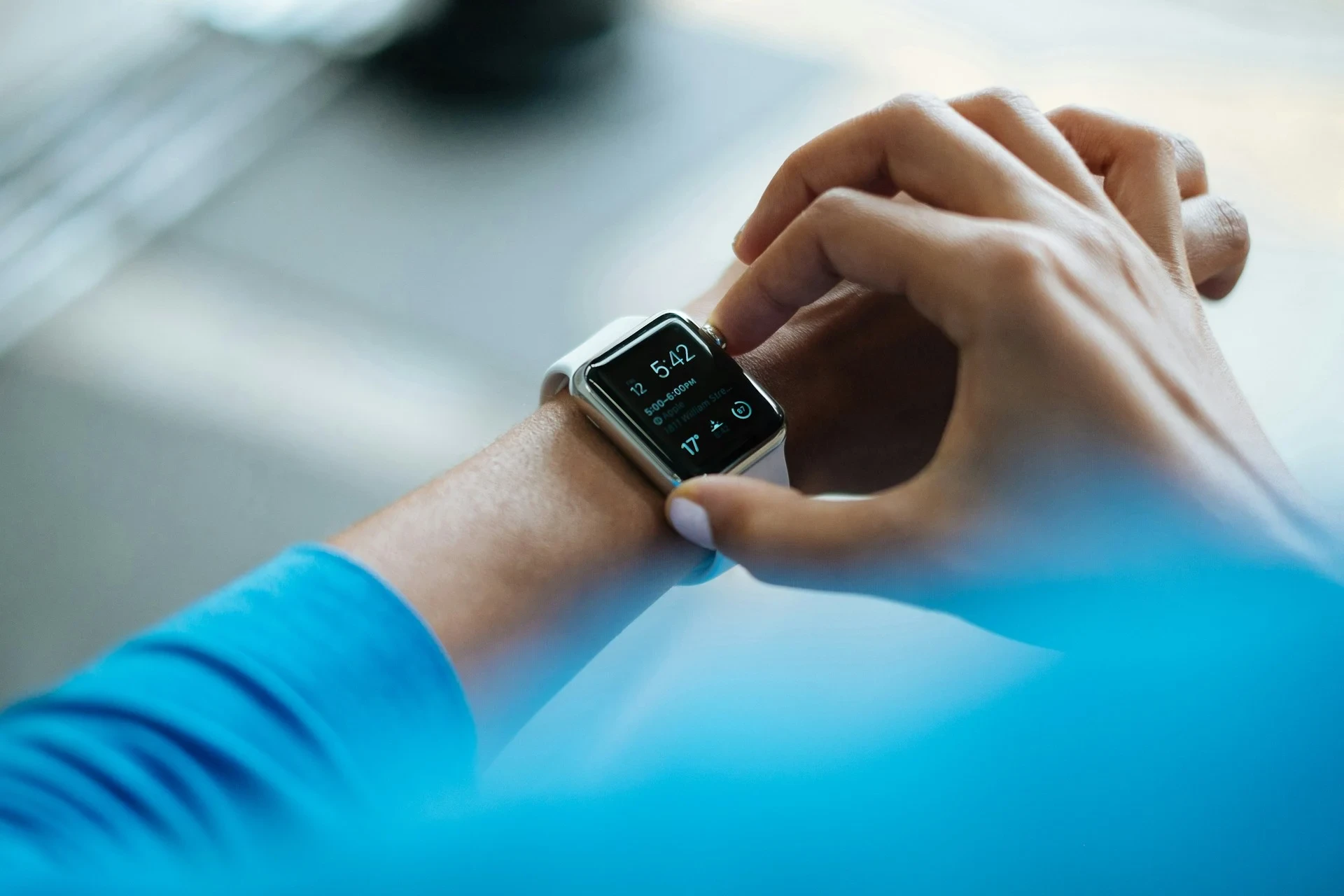
Remotely track vitals, activity, and key metrics using wearables, sensors, and smart dashboards; AI analyzes every trend and notifies care teams instantly if risk rises above safe limits.